
Independent technology fieldnotes

Tomorrow’s technology, understood in context.

Explore new technologies, devices, software and digital innovations through clear, technically grounded editorial guides. We look beyond launch language to the engineering, trade-offs and everyday consequences.

Explore the field guide
Editorial still life of modular computing hardware, a compact sensor and sculptural translucent components
Close-up editorial composition of a wearable sensor, precision hinge and layered display glass

01 / Devices

Hardware is becoming an interface.

From wearable sensors to connected appliances, new devices are reshaping where computation happens. Understand the constraints behind the useful details: power, repair, privacy and ecosystems.

Explore next-generation devices
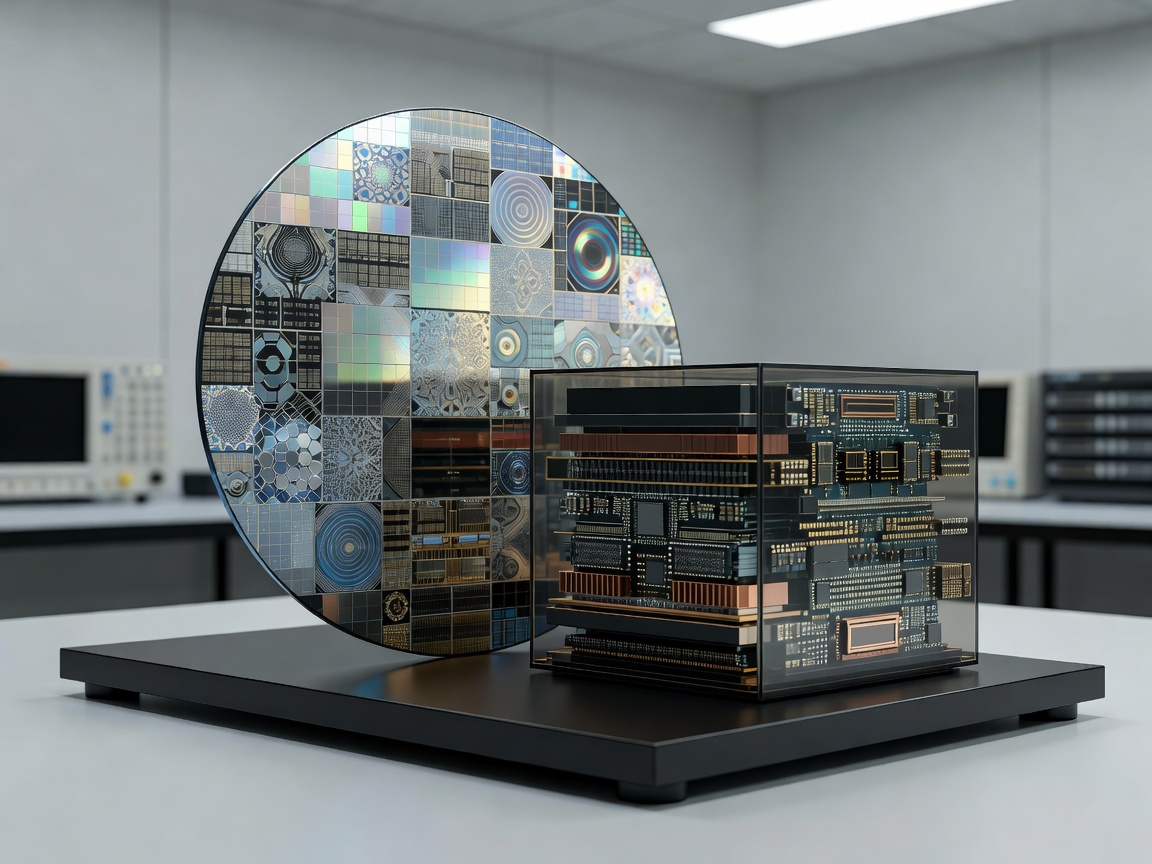

Abstract semiconductor wafer and accelerator package arranged in a quiet technical studio

02 / Computing

Compute is a design choice.

GPUs, specialised accelerators, cloud platforms and edge systems solve different problems. Follow the data paths and understand why the best architecture depends on workload, latency and energy.

Explore advanced computing
Abstract developer environment represented by carefully arranged code-like light patterns and modular tools

03 / Software

Tools change the shape of work.

Open-source ecosystems, AI-assisted development and software agents are altering how systems are built and maintained. We focus on mechanisms, governance and the human decisions that still matter.

Explore future software
Industrial robot gripper interacting with a precisely arranged set of neutral-coloured components

04 / Robotics

Automation meets the physical world.

Robots must perceive, plan and act amid friction, uncertainty and safety requirements. Examine the different demands of factories, warehouses, farms and service environments.

Explore robotics and automation
Spatial computing headset beside depth-sensing components and a softly lit architectural model

05 / Spatial

Interfaces are finding new dimensions.

Augmented, virtual and mixed-reality systems combine displays, tracking and software. Their promise depends on comfort, content, spatial understanding and how naturally they fit into a real task.

Explore spatial technology

A practical reading method

How to assess a new technology

Enthusiasm is useful; a systems view is better. Start with the problem and trace the dependencies before deciding whether an innovation is meaningful for a particular job.

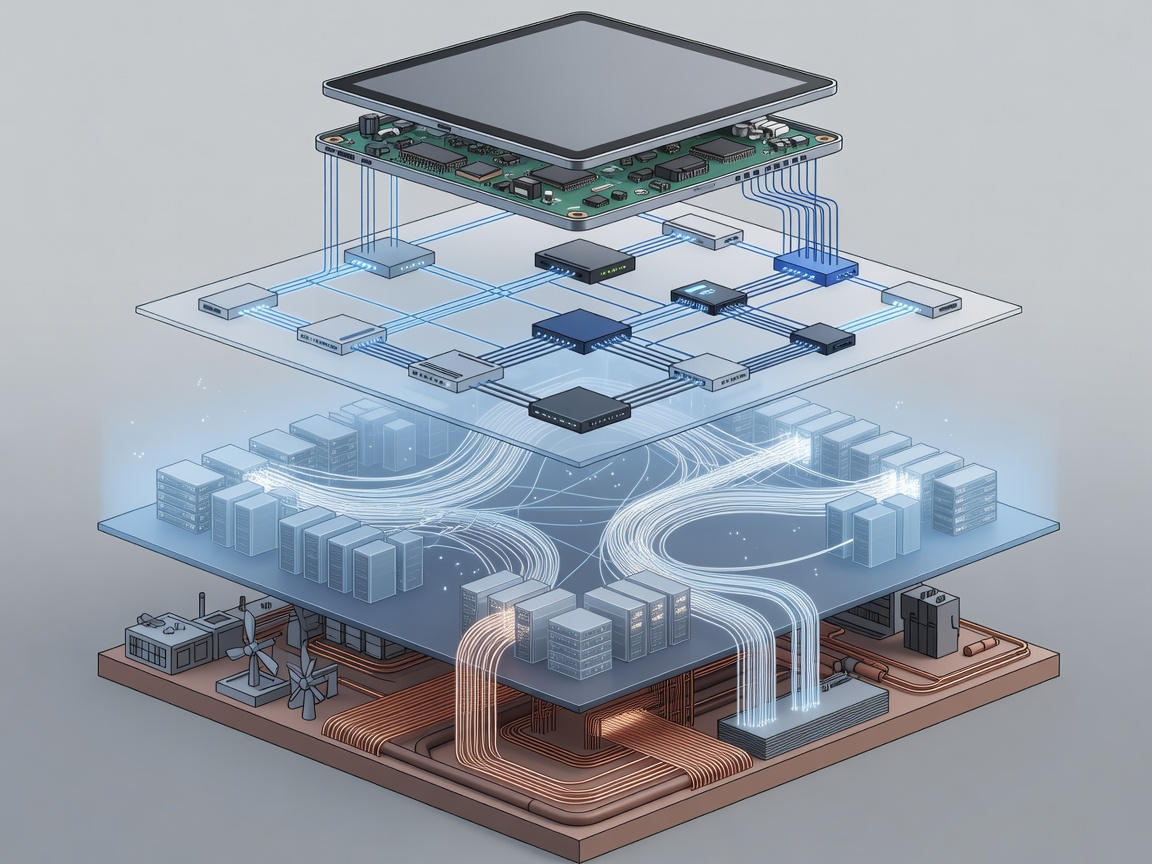
Editorial cutaway illustration of a device, local network, cloud infrastructure and energy supply as connected layers

Follow the whole stack

Ask what hardware is required, what infrastructure supports it and which parts depend on a remote service. A capable device can still be constrained by bandwidth, power, latency or a fragile ecosystem.

Technical notebook beside a sensor module and material samples, arranged as an editorial assessment still life

Ask the useful questions

What changes for the user? Is the technology mature enough for its intended environment? Consider repairability, security, privacy, service continuity and what happens when a vendor changes direction.

Our quick assessment checklist

  • Identify the specific problem and the people who experience it.
  • Separate genuine capability from the surrounding product story.
  • Check dependencies, failure modes and practical constraints.
  • Consider whether the wider ecosystem remains open and supportable.

For deeper technical context, continue with advanced computing, future software or our guide to next-generation devices.