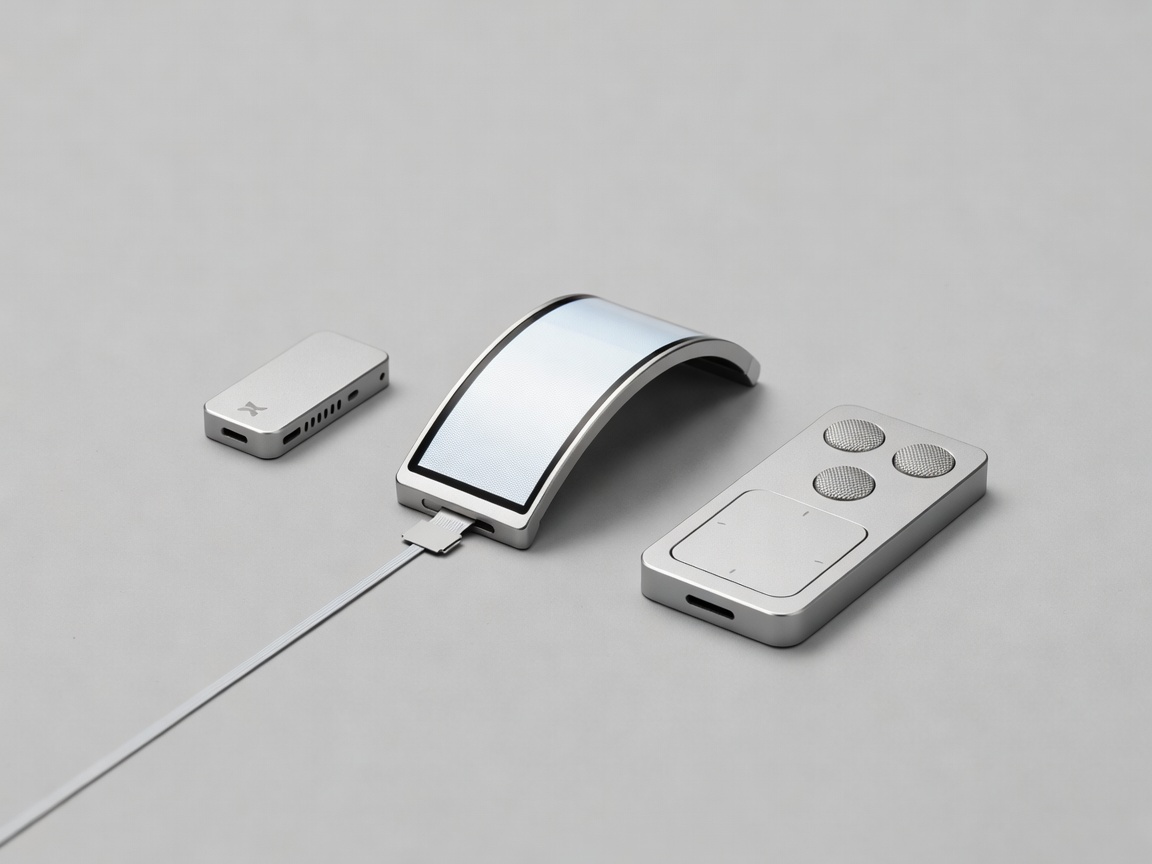
Device design is moving across familiar boundaries. A watch can act as a health sensor and notification surface; earbuds can host microphones and increasingly capable on-device processing; glasses can place contextual information within a wearer’s view. The form factor matters, but the harder questions are about what the device senses, where it computes and how it earns a place in an existing routine.
From components to interaction models
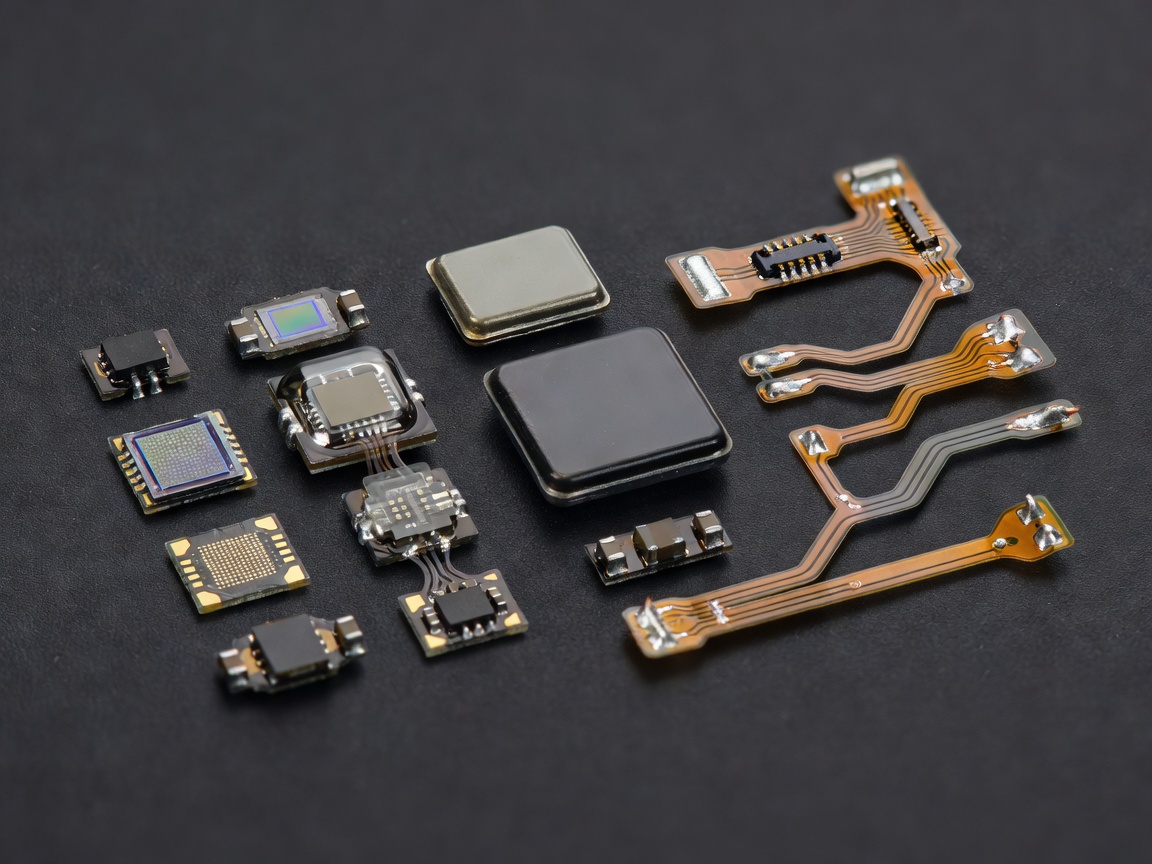
A modern device is a compact system: sensors capture signals, processors interpret them, software decides what matters, and radios connect the result to other equipment or services. Accelerometers and gyroscopes support motion tracking; cameras and depth sensors enable computer vision; microphones and low-power neural processing can support speech features. Each addition has a cost in energy, heat, enclosure space and privacy exposure.
Wearable computing illustrates the tension particularly well. A wrist device is convenient because it is already on the body, but its small battery and limited surface area constrain sustained computation and rich interaction. An ear-worn device can capture voice without occupying a hand, yet microphone placement, acoustic leakage and always-ready listening need careful treatment. Advanced displays face similar constraints: brightness, resolution and refresh behaviour compete with power draw, heat and viewing comfort.
Processing, connectivity and battery reality
Some operations are best performed locally. On-device inference can reduce round trips and keep certain data on the device, while cloud processing may support workloads that exceed a compact processor’s capability. The trade-off is not simply local versus remote: a product may split tasks, sending only selected results or using a companion phone as an intermediate compute layer.
Connectivity changes the experience as much as the processor. Bluetooth Low Energy suits many low-bandwidth accessory links; Wi-Fi supports heavier transfers but can draw more power; cellular connectivity adds independence while bringing radio, coverage and subscription considerations. Sensor sampling, screen time and radio activity all affect battery life. Advertised capacity alone does not reveal how a device behaves in a user’s particular pattern of use.
Ecosystems, usability and repair
A device rarely stands alone. Pairing flows, operating-system permissions, accessory compatibility, data export and account requirements determine whether its capabilities fit a wider ecosystem. Apple, Google and other platform providers shape developer access and device-to-device continuity through their software environments. That integration can reduce setup effort, but it can also make switching platforms or replacing one component less straightforward.
Usability means more than a clean first-run experience. Consider whether controls are discoverable, whether notifications are adjustable, whether accessibility needs are addressed and whether the product remains useful when the network is unavailable. Privacy deserves the same practical scrutiny: what is collected, where it is processed, how long it is retained, and whether sensors can be disabled without breaking core functions?
Choosing with the constraints in view
Before adopting a new device, map the use case against its dependencies. For a wearable, that may mean comfort, charging cadence, data control and cross-platform support. For a connected home sensor, it may mean local operation, network resilience, security updates and whether it continues to work if a cloud service changes. Repairability is also part of ownership: replaceable batteries, available parts and clear support lifetimes can matter more over time than a brief feature advantage.
- Check compatibility with the phones, operating systems and services already in use.
- Understand which sensors are active and how their data is handled.
- Look for practical battery and charging information, not capacity in isolation.
- Consider repair options, software support and the cost of leaving the ecosystem.
The most promising next-generation devices will not necessarily add the most sensors. They will make sensing and processing feel proportionate, understandable and dependable. For the compute behind compact hardware, see advanced computing; for immersive interfaces, continue to spatial and connected technology.